
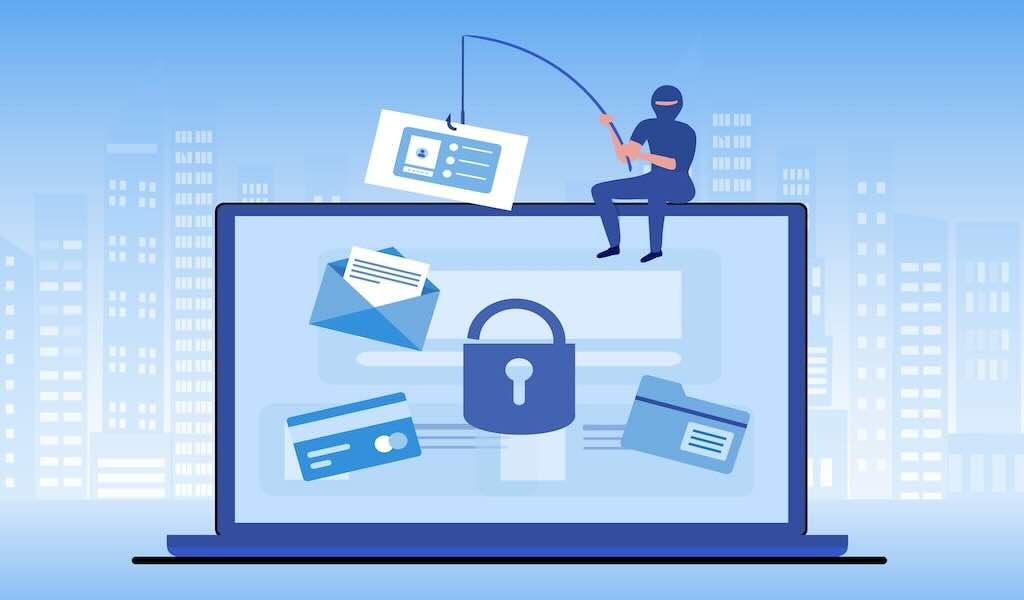
- Marathon Health fell victim to an impersonation attack, leading an employee to reveal credentials to a hacker.
- Impersonation attacks work, and employees need to learn how to defend against them.
- Strengthen verification procedures and use phishing-resistant multi-factor authorization to fight back.
Nearly 5.7 million people are being notified that their data was compromised in a breach at Marathon Health, an Indiana-based provider of employer-sponsored healthcare. If that number holds, HIPAA Journal reports, it would be the fourth-largest healthcare data breach reported by a HIPAA-regulated entity this year.
Its size alone makes it worth attention. But two other features make it especially instructive for compliance professionals: Marathon’s unusual organizational structure and the old-fashioned trick that reportedly got the attacker inside. Many details so far come from state regulatory filings and press reports, not from a Marathon announcement, so we’ll note what’s confirmed and what isn’t.
An Employee Was Tricked at Marathon
Marathon’s breach notification letter posted on the California Attorney General’s website, explains that the company noticed suspicious activity on an employee account on August 24, 2026.
The company deactivated the account and began an investigation. It discovered that an unauthorized person had impersonated a Marathon IT worker, tricked the employee into revealing their credentials, and used them to access a cloud-hosted application. Within a few hours, the intruder exported data from the application’s database.
Marathon finished reviewing the affected data on September 9. The notices state that the exposed information included names, contact information, dates of birth, and Social Security numbers. Filings with the Texas and Vermont attorneys general also list medical and health insurance information. Letters began going out on October 20, and Marathon is offering 12 or 24 months of credit monitoring.
According to the numbers, Marathon has reported the breach to several state regulators, including Texas, Massachusetts, and Vermont. The law firm Emery Reddy, which is investigating a potential class action, says Marathon told Texas regulators it was notifying 5,684,735 people in total. Texas’s public listing shows 234,534 Texas residents, and Massachusetts and Vermont list 29,075 and 8,858 residents, respectively. As of this writing, Marathon doesn’t appear to have posted a notice on its website, and the breach isn’t yet on the HHS Office for Civil Rights breach portal.
That absence may reflect timing. Entries often appear on the portal some time after a report is filed, and from the outside, we can’t tell whether Marathon has reported to OCR. We’ll update this post when it appears.
Why Marathon’s Business Model Matters
Marathon doesn’t look like a typical hospital or practice. It partners with more than 600 self-funded employers, labor unions, and public-sector organizations to provide primary care through on-site and near-site health centers, meaning clinics located at or near a workplace. It also offers virtual care in all 50 states. It operates more than 720 health centers across 41 states for over 3 million people.
That last number is the most interesting. The notified population is nearly double Marathon’s patient base because the company receives data on everyone enrolled in its client employers’ health plans. That information lets Marathon verify eligibility, communicate benefits, bill insurers, and schedule appointments. As a result, people who have never set foot in a Marathon clinic and may never have heard of the company are now receiving breach letters. Indiana University told employees and family members enrolled in certain Anthem plans that they might be affected for exactly this reason.
For compliance teams, this raises practical questions that extend well beyond Marathon:
- Do you know every category of PHI you hold, including enrollment and eligibility data about people who aren’t your patients? Your risk analysis must cover it.
- Do you know whose data resides in which systems so that you can scope a breach quickly and accurately?
- If you contract with a vendor that operates clinics or other services for your plan, what does your agreement specify about breach notification responsibilities, and who communicates with your members when something goes wrong?
The Social Engineering Problem
The reported method, impersonating an IT worker to obtain an employee’s credentials, is not new. It still works because it targets people, not software. ShinyHunters used it against Baxter International and other healthcare targets this year. Microsoft documented attacks where callers pretended to be IT staff, urging victims to update “passkey” or MFA settings. Victims were directed to look‑alike Microsoft sign‑in pages via SMS.
No group has claimed this attack on Marathon, and so far, ShinyHunters hasn’t listed Marathon on its leak site, so we can’t attribute it.
Reports don’t say whether multi-factor authentication was in place or how it was handled. Either way, the case points to a few concrete safeguards:
- Verify identity independently. Verify anyone claiming to be IT who asks for credentials or access through a known, separate channel, such as a callback to a number in your directory, before the employee does anything.
- Use phishing-resistant MFA where possible, as threat actors often capture one-time codes alongside passwords. The proposed Security Rule overhaul would make MFA mandatory.
- Limit what one account can do. Reports describe one compromised account that exported database data in a few hours. Consider whether any single user should be able to pull that much data and whether you’d detect it if they did.
- Monitor exports and unusual access. Review audit logs and alert on bulk data movement to turn a multi-million-record breach into a contained incident.
- Train for this specific scenario. Generic phishing awareness isn’t enough. Staff should rehearse how to respond when “IT” calls or messages them.
Notification and Legal Fallout
Under the HIPAA Breach Notification Rule, individuals must be notified without unreasonable delay and no later than 60 days after discovery. Marathon mailed its letters 57 days after the August 24 discovery date, within the time frame. Breaches affecting 500 or more people must also be reported to OCR.
Large breach notifications today usually attract plaintiffs’ law firms. For example, Emery Reddy says it is investigating a potential class action, and other firms have announced similar investigations. A law firm investigation isn’t a lawsuit, and much remains unknown about exactly what happened. But it shows how quickly a breach notice becomes a larger legal problem.
It also reminds us how much an organization’s documented safeguards, such as a current risk analysis, training records, and access controls, matter once questions arise.
What to Do Now
- Check your help desk procedures. Make sure no one can reset credentials or grant access based on a call or message alone.
- Review your PHI inventory for data you hold on non-patients, such as plan members, and make sure your risk analysis covers every cloud-hosted application.
- Audit who can export data in bulk, and confirm you’d be alerted if they did.
- Test your breach response plan, including how fast you could scope a breach and notify affected people.
- Revisit vendor agreements to confirm breach notification roles and timelines are spelled out.
We’ll continue to follow the Marathon Health breach as more details emerge from OCR and Marathon. Incidents like this are why The HIPAA E-Tool® integrates risk analysis, workforce training, and documentation into a single program, so you can show your work when it matters most.
